Biggest Pixel Buds 2017 Wireless Buying Mistakes (And How to Avoid Them)
Introduction
Wireless earbuds have revolutionized the way people experience music, calls, and voice assistants on the go. Among the first entrants into Google’s audio hardware lineup were the Pixel Buds 2017 Wireless, which debuted as a direct competitor to Apple’s AirPods and other wireless offerings. However, choosing the right wireless earbuds—especially legacy models like the first-generation Pixel Buds—can be fraught with simple yet critical mistakes that may lead to disappointment or wasted investment.
This article delves into the common pitfalls buyers have encountered when purchasing the Pixel Buds 2017 Wireless and, more importantly, provides actionable ways to avoid these mistakes. Using real-world experiences and solid technical analysis, readers will gain an in-depth understanding of what to watch out for—ensuring satisfaction with their next wireless earbud purchase.
Pixel Buds 2017 Wireless: Product Analysis
The Pixel Buds 2017 Wireless were Google’s inaugural attempt at combining software expertise with wearable hardware. With key selling points like Google Assistant integration, real-time translation, and a unique design that keeps the earbuds tethered together with fabric cord, Pixel Buds promised a blend of innovation and everyday usability.
Despite their promise, first-generation Pixel Buds were not without flaws. Many users bought them for their headline features, only to run into deal-breaking limitations or miss out on critical features offered by competitors. A clear-eyed analysis of the Pixel Buds 2017 is essential before making a buying decision today—especially in a resale or used market scenario.
Key Features
- Google Assistant Integration: Long-press touchpad for hands-free access to Assistant, information lookups, and controls.
- Real-Time Translation: Integration with Google Translate for instant conversation translation (with compatible Pixel phones).
- Unique Tethered Design: Earbuds connected by a stylish fabric cable—unconventional for “wireless” category, but makes storage and retrieval easier.
- Touch Controls: Volume, playback, and call controls through swipe/tap gestures on the right earbud.
- Charging Case: Compact carrying case with built-in battery for on-the-go charging (via USB-C).
Performance and Real-World Use Cases
In hands-on scenarios, the Pixel Buds 2017 Wireless excel in Google ecosystem integration. For students and international travelers, real-time translation with a Pixel device can be a game changer. Commuters and walkers may appreciate the “open fit” design—users retain awareness of ambient sounds for increased safety. On the flip side, power users and audiophiles have frequently cited latency issues, inconsistent connectivity, and limited passive noise isolation as significant drawbacks.
Battery life, quoted at about five hours per charge, has generally matched real-world expectations—provided the charging case is also topped up. The case itself, though compact, can be cumbersome due to the need for precise cable wrapping when storing the earbuds.
Below, let’s explore the major buying mistakes people make with Pixel Buds 2017 Wireless and how to avoid them.
Common Pixel Buds 2017 Wireless Buying Mistakes
1. Assuming "Wireless" Means "Truly Wireless"
One of the most persistent misconceptions is equating “wireless” with “truly wireless.” While Pixel Buds 2017 eliminate the headphone jack, the buds themselves remain connected by a cord—unlike truly wireless competitors such as AirPods or Samsung Galaxy Buds. For users seeking earbuds that disappear entirely into the ear, this is a major disappointment.
How to avoid: Examine product photos closely. If "truly wireless" is your requirement, steer clear of designs with visible cables, even if marketed as “wireless.”
2. Overlooking Compatibility Limitations
Some of the most advertised features—like real-time translation or seamless Assistant controls—are only available with Google Pixel phones or specific Android versions. Buyers using other Android smartphones, or especially iPhones, will find significant functionality gaps.
Discover deals on Audio & Headphones — updated daily.
Browse Now →How to avoid: Review device compatibility in product listings and user manuals. If you use a non-Pixel device, consider how many features you’re willing to lose before purchasing.
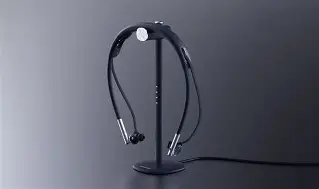
3. Ignoring Comfort and Fit Issues
The Pixel Buds’ adjustable cord loop system is unique but divisive. Some users never quite achieve a stable, comfortable fit. The buds rest outside the ear canal (an “open fit”), meaning those expecting passive noise cancellation or a “locked-in” feeling may be unsatisfied.
How to avoid: Try before buying, if possible. Read user reviews that describe long-term comfort, especially for exercise or commute scenarios. If you require in-ear tips or noise isolation, look for alternative models.
4. Not Considering Control Learning Curve
Unlike physical buttons, touch controls can be unintuitive and suffer from false activations, especially in cold weather or during movement. Pixel Buds 2017 require specific swipe and tap patterns that may not be second nature, impacting usability during calls or workouts.
How to avoid: Watch or read tutorials on the control scheme. Consider whether your intended use cases (e.g., running, cycling) will make precise touch controls impractical.
5. Underestimating Firmware and Software Support
As a 2017 model, Pixel Buds are no longer actively updated by Google. This can impact Bluetooth compatibility, voice assistant integration, and bug fixes—especially as smartphones receive updates but the earbuds do not.
How to avoid: Research the current support status for the device. If ongoing feature support or bug fixes are important to you, a newer model may be worth the premium.
Pros & Cons of Pixel Buds 2017 Wireless
- Pros:
- Deep integration with Google Assistant and Pixel phones
- Real-time translation with compatible devices
- Unique design helps avoid loss of individual earbuds
- Decent battery life and compact charging solution
- USB-C charging (ahead of many 2017 competitors)
- Cons:
- Cord between earbuds—not truly wireless
- Compatibility and feature limitations on non-Google devices
- Fit and comfort can vary greatly per user
- Touch controls not always intuitive
- No passive/active noise cancellation
- No water or sweat resistance rating
- Older device with limited ongoing support
Comparison Table: Pixel Buds 2017 Wireless vs. Competing Earbuds (2017-2018)
| Feature | Pixel Buds 2017 Wireless | Apple AirPods (1st Gen) | Samsung Gear IconX (2018) |
|---|---|---|---|
| Design | Tethered by cord | Truly wireless | Truly wireless |
| Assistant Integration | Google Assistant | Siri | Bixby/Google Assistant (limited) |
| Device Compatibility | Best on Pixel; works on Android (feature-limited); basic on iOS | Best on iOS | Android; iOS |
| Charging Case | Yes (manual wrap) | Yes (magnetic dock) | Yes (magnetic dock) |
| Battery Life (Earbuds) | 5 hours | 5 hours | Up to 7 hours |
| Noise Isolation | No | No | Partial (in-ear) |
| Sweat/Water Resistant | No | No | Yes (IPX2) |
| Unique Features | Real-time translation* | Seamless iOS pairing | Built-in storage for music |
| Release Year | 2017 | 2016 | 2018 |
*Real-time translation requires Pixel phone
Pixel Buds 2017 Wireless Buying Guide
1. Identify Must-Have Features
Before buying legacy wireless earbuds, list out your priority features. Are you looking for seamless Google Assistant access, in-ear noise isolation, or maximum compatibility with any smartphone? This will help you quickly rule out non-fitting options. The Pixel Buds 2017 excel when paired with Google’s ecosystem, but fall short for those wanting “true” wireless freedom or robust noise isolation.
Shop the latest Audio & Headphones picks on Amazon.
View Offers →2. Assess Device Compatibility and Intended Use
Compatibility is critical. If you plan to use the Pixel Buds with a Pixel or recent Android device, most features will work as intended. If you’re on iOS or another Android brand, research which functions may not be supported—like real-time translation or full Assistant integration.
Consider typical use scenarios: Do you need earbuds that fit snugly for workouts? Will occasional cable tangling bother you? Do you rely heavily on quick voice-activated responses? These questions help clarify whether the Pixel Buds 2017 align with your daily audio needs.
3. Inspect Product Condition—Especially in Second-Hand Market
Most Pixel Buds 2017 available now are used or refurbished. Battery longevity can degrade over time, and touch controls may wear out. Ask sellers about battery health and inspect for wear on the fabric cord, charging contacts, and case hinges. Whenever possible, buy from sellers who offer returns or warranty support.
4. Understand Support and Firmware Limitations
As Google has moved on to newer generations, the Pixel Buds 2017 no longer receive updates or bug fixes. While basic Bluetooth audio functionality remains, do not expect new features or major improvements. Be sure you’re comfortable with the feature set “as is,” knowing that what you get is what you keep.
5. Read User and Technical Reviews
Beyond official product specs, read real-world user reviews—especially critical ones. Look for feedback on long-term durability, comfort over hours of use, and battery performance after a year or more. Forums and enthusiast sites often provide instructive opinions on pitfalls and workarounds.
6. Consider Alternatives
If any of the Pixel Buds 2017 deal-breakers listed above impact your must-have features, explore alternatives in the same price range. For example, more recent Pixel Buds generations, or cross-platform options from Jabra, Sony, and Samsung, may suit your needs better while avoiding compromises associated with legacy models.
Conclusion
The Pixel Buds 2017 Wireless represent an early milestone in the evolution of smart audio wearables. Buyers searching for a used or discounted model today should proceed with clear expectations: understand exactly what the earbuds can and cannot do, which features will work with your personal devices, and the areas where they might fall behind newer products. By doing your homework and avoiding the common mistakes outlined above, you can still enjoy what Pixel Buds 2017 offer—without the buyer’s remorse often seen with impulse gadget purchases.
Thoughtful research and honest assessment of personal needs are the cornerstones of any tech buying decision. The lessons of Pixel Buds 2017 Wireless provide a clear reminder: the right fit is about smart expectation management just as much as hardware specifications.