Which is Better Value? Fujifilm Instax Mini 41 vs Peckperk Smart Bird Feeder Camera Compared
In the modern landscape of digital photography, value is no longer defined solely by megapixel counts or sensor sizes. Today, consumers often look for cameras that serve a specific lifestyle niche, whether that is the tactile nostalgia of instant film or the automated observation of local wildlife. Two products that represent these diverging paths are the Fujifilm Instax Mini 41 and the Peckperk Smart Bird Feeder Camera. While they operate in entirely different realms of the "camera" category, they often compete for the same discretionary budget from gift-buyers, tech enthusiasts, and hobbyists looking for a new way to capture the world around them.
The Fujifilm Instax Mini 41 represents the latest iteration of the world’s most popular instant film line, focusing on simplicity, physical presence, and the joy of a tangible print. On the other hand, the Peckperk Smart Bird Feeder Camera is a specialized piece of smart home hardware designed to bring nature closer through high-definition video triggers and artificial intelligence. One offers the thrill of the moment; the other offers the patience of the observer. To determine which offers better value, we must look beyond the price tag and examine the cost of ownership, the quality of the "output," and the long-term utility each device provides to its user.
Fujifilm Instax Mini 41: The Charm of the Tangible
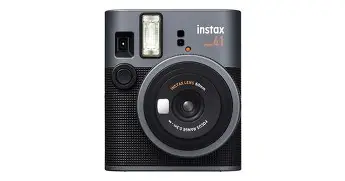
Fujifilm has dominated the instant photography market for over a decade, and the Instax Mini 41 continues that legacy by making subtle but meaningful improvements to its predecessor. At its core, the Mini 41 is an analog camera with an electronic heart. It is designed to be picked up by anyone, from a young child at a birthday party to a seasoned photographer looking for a break from digital post-processing. Its value proposition is built on the concept of "one shot, one memory."
The technical specifications are intentionally limited to maintain ease of use. It features a fixed-focus lens and an automatic exposure system that calculates the brightness of the environment to adjust the shutter speed and flash output accordingly. This "point-and-shoot" simplicity is the secret to its success. Users do not need to worry about aperture settings or ISO; they simply aim and press the shutter. However, the true value of the Mini 41 lies in the physical artifact it produces. The Instax Mini film format is roughly the size of a credit card, fitting perfectly into wallets or phone cases, making it a highly social device.
From an editorial perspective, the Mini 41 excels in social settings. It encourages interaction. At weddings, parties, or family gatherings, the camera becomes a conversation starter. The value here is emotional and experiential. However, potential buyers must consider the hidden cost of the Mini 41: the film. Unlike digital cameras where the storage is essentially free after the initial SD card purchase, every press of the shutter on the Mini 41 costs money. This recurring expense is a critical factor in determining its long-term value.
Pros and Cons of the Fujifilm Instax Mini 41
- Pro: Instant Gratification. There is a unique magic in watching a photo develop in your hands, which no digital screen can replicate.
- Pro: Ease of Use. The automatic exposure system is highly reliable, significantly reducing the number of "wasted" overexposed or underexposed shots compared to older vintage models.
- Pro: Portability and Design. The lightweight, ergonomic body is easy to carry, and the aesthetic appeal makes it a popular fashion accessory as much as a tool.
- Pro: Social Connectivity. Giving a physical photo to a friend or stranger creates a lasting bond that a shared digital file often lacks.
- Con: High Cost per Shot. The ongoing requirement to purchase Instax Mini film packs can make this an expensive hobby over time.
- Con: Limited Technical Control. The lack of manual focus, zoom, or flash-off settings may frustrate users who want more creative agency over their images.
- Con: Zero Redundancy. Once a photo is taken, there is no digital backup. If the physical print is lost or damaged, the image is gone forever.
Peckperk Smart Bird Feeder Camera: Precision Wildlife Observation
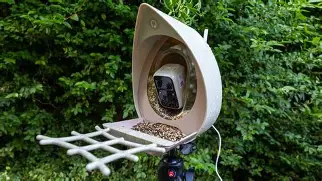
The Peckperk Smart Bird Feeder Camera represents the "Smart Home" evolution of the camera category. It is less about artistic expression and more about discovery and data. For many homeowners, the value of this device isn't just in the hardware, but in the window it opens into the natural world. It combines a durable, weather-resistant bird feeder with a high-definition camera equipped with motion sensors and AI recognition software.
Technically, the Peckperk is a far more advanced piece of equipment than the Instax. It typically records in 1080p resolution with a wide-angle lens designed to capture visitors at close range. The value is found in its "set it and forget it" nature. Once installed and connected to a home Wi-Fi network, the device alerts the user via a smartphone application whenever a bird arrives. The integrated AI can often identify the species of the bird, providing an educational component that appeals to families and bird-watching enthusiasts alike.
The endurance of the Peckperk is also a major selling point. Most models include solar panels or high-capacity rechargeable batteries, ensuring that the camera remains operational for weeks or months without manual intervention. Unlike the Instax, there are no recurring "per-shot" costs. Once the unit is paid for, the user can capture thousands of clips and photos at no additional expense, provided they have a microSD card or a basic cloud subscription. This makes the Peckperk an attractive value for those who want a continuous hobby rather than a series of one-off expenses.
Pros and Cons of the Peckperk Smart Bird Feeder Camera
- Pro: Exceptional Educational Value. The AI bird identification system helps users learn about local fauna, making it a great tool for children and students.
- Pro: High-Quality Digital Output. 1080p video allows users to see intricate feather details and behaviors that are impossible to spot with the naked eye from a distance.
- Pro: Low Ongoing Costs. Unlike film cameras, you do not need to pay for each recording, making it more cost-effective for heavy users.
- Pro: Durability. Designed to withstand rain, wind, and sun, the hardware is built for long-term outdoor placement.
- Con: High Initial Investment. The upfront cost of a smart feeder camera is significantly higher than that of a basic instant camera.
- Con: Technology Dependency. The device requires a stable Wi-Fi connection and a smartphone to function, which may be a barrier for some users or in remote areas of large backyards.
- Con: Maintenance Requirements. Users must regularly clean the feeder and refill it with birdseed to ensure the "subjects" of the photos continue to return.
Direct Comparison: Use Cases and Experience
To understand which product provides better value, we have to look at the profile of the buyer. The Fujifilm Instax Mini 41 is for the "present-dweller." It is for the person who travels, attends events, and wants to document their social life in a way that feels permanent and artistic. The value is found in the joy of the physical object. The Peckperk, conversely, is for the "observer." It is for the person who finds peace in their garden, who enjoys the slow pace of nature, and who wants to leverage technology to see things they otherwise would miss.
Find top-rated Cameras & Photography products at great prices.
See Deals →In terms of "cost per year," the Peckperk often wins for the active user. If an Instax user shoots just two packs of film a month, they could easily spend the equivalent of an entire Peckperk unit in less than a year on film alone. However, the Instax provides a level of versatility the Peckperk cannot match. You can take the Instax to Paris, to a birthday party, or on a hiking trip. The Peckperk is stationary. It lives on a pole or a tree. Its utility is deep, but its scope is narrow.
Comparative Analysis Table
| Feature | Fujifilm Instax Mini 41 | Peckperk Smart Bird Feeder Camera |
|---|---|---|
| Category | Instant Analog Photography | Smart Home / Wildlife Observation |
| Main Output | Physical 2" x 3" film prints | 1080p Digital Video and Photos |
| Ease of Use | Excellent (Point and Shoot) | Moderate (App and Wi-Fi setup needed) |
| Recurring Costs | High (Instant film packs) | Low (Seeds and optional cloud storage) |
| Portability | High (Handheld) | None (Fixed installation) |
| Special Features | Selfie mirror, Auto-exposure | AI Bird ID, Motion alerts, Solar Charging |
| Primary Audience | Socialites, Travelers, Families | Nature lovers, Homeowners, Educators |
Buying Guide: Determining Your Priority
When choosing between these two devices, you must ask yourself three fundamental questions: Where will I use it? What do I want to do with the images? And how much am I willing to spend over the next two years? By answering these, the "value" of each product becomes much clearer for your specific situation.
Question 1: The Environment
If you are someone who is rarely at home or who finds themselves in a variety of different environments (restaurants, parks, different cities), the Fujifilm Instax Mini 41 is the clear choice. It is a companion to your life. If you spend a significant amount of time at home and take pride in your garden or backyard, the Peckperk becomes a far more valuable asset. It transforms your immediate surroundings into a theatre of wildlife activity that plays out on your phone screen.
Question 2: The Final Product
Consider what you intend to do with the "captures." Do you want to decorate your fridge, create a scrapbook, or hand out memories to friends? The Instax Mini 41 provides a tangible product that exists in the real world. In an era of digital oversaturation, a physical photo has significant weight. Conversely, if you enjoy sharing high-quality clips on social media, keeping a digital archive of bird species, or watching time-lapse videos of nature, the Peckperk’s digital-first approach is superior.
Question 3: Long-term Budgeting
The Instax Mini 41 is the classic "razor and blade" business model. The camera itself is relatively affordable, but the film is where the manufacturer makes their profit. If you are on a strict budget, you may find yourself hesitant to take photos with the Instax because "each click costs a dollar." This can lead to the camera sitting on a shelf. The Peckperk has a higher barrier to entry in terms of price, but once you own it, the enjoyment is essentially free. This makes it a better value for someone who wants to engage with their hobby every single day without checking their bank account.
The Technical Edge: Optics and Software
From a purely technical standpoint, the Peckperk Smart Bird Feeder Camera is the more sophisticated device. It utilizes a digital sensor capable of handling various lighting conditions, including low-light environments often found in wooded backyards. It also features infrared night vision, allowing for the observation of nocturnal visitors like owls or raccoons. The software integration is a significant part of the value; the ability to receive a push notification when a rare bird arrives is a level of utility that a traditional camera simply cannot provide.
The Fujifilm Instax Mini 41, however, shouldn't be dismissed as "low-tech." While its optics are simple plastic lenses, they are tuned to provide a specific "look" that is highly sought after. The color science of Instax film is iconic—dreamy, slightly desaturated, with deep blacks and vibrant greens. This aesthetic is something digital filters try to emulate but rarely perfectly capture. For many, the value of the Mini 41 is in its "imperfection"—the lens flares, the soft focus, and the chemical shifts that make each photo unique. In a world of clinical, sharp smartphone photos, the Mini 41 offers artistic value through its analog limitations.
Real-World Use Cases
Imagine a family vacation. The Instax Mini 41 is in the backpack. At the top of a mountain, the family takes a group photo. One minute later, they have a small, damp, developing print that they can write the date on. That photo will likely sit on a mantelpiece for the next ten years. The value is a permanent, physical milestone. In this scenario, the Peckperk has zero value as it is sitting back at home.
Find top-rated Cameras & Photography products at great prices.
See Deals →Now imagine a quiet Tuesday morning at home. The homeowner is working in their home office when their phone buzzes. They look down and see a crystal-clear video of a Painted Bunting—a bird they have never seen in their neighborhood before. They can save that video, zoom in to see the colors, and share it with a bird-watching group online. The value is a moment of discovery and connection to nature that happened automatically while they were busy with other things. In this scenario, the Instax would have been useless, as the bird would have flown away long before someone could get close enough for a 60mm fixed-lens shot.
Maintenance and Longevity
Longevity is another aspect of value. The Fujifilm Instax Mini 41 is a robust, mostly mechanical device. Aside from the batteries (which are usually standard AA or CR2 depending on the version), there isn't much that can go wrong with it that can't be fixed by a simple reset or cleaning. It doesn't rely on a server, a specific app version, or a Wi-Fi protocol. This means an Instax Mini 41 will likely still work ten years from now, provided film is still being manufactured.
The Peckperk, like all smart home devices, is subject to "technological aging." It requires firmware updates to stay secure and functional. If the manufacturer goes out of business or stops supporting the app, the "smart" features of the camera might become obsolete. Furthermore, because it lives outdoors, it is subject to the elements. Seals can perish, and spiders can build webs over the lens. The value of the Peckperk is higher in the short-to-medium term, but the Instax might win the battle of long-term durability.
Conclusion
The question of "better value" depends entirely on how you define the "return on investment" of your leisure time. The Fujifilm Instax Mini 41 is the better value for the extroverted, the traveler, and the artist. It provides a way to capture social energy and turn it into a physical artifact. Even with the ongoing cost of film, the "price per memory" is often worth it for the unique aesthetic and the joy it brings to others. It is a tool for creating memories in the company of people.
The Peckperk Smart Bird Feeder Camera is the better value for the homeowner, the nature enthusiast, and the person who appreciates automated technology. It provides a continuous stream of entertainment and education with very little effort or recurring expense. It turns a backyard into a high-tech observatory, offering a window into a world that is usually hidden from view. While the initial cost is higher, the sheer volume of content and the lack of a "per-shot" price tag make it a highly economical choice for long-term hobbyists.
Ultimately, both cameras excel at their intended purpose. The Fujifilm Instax Mini 41 captures the "who" and "where" of your life with tactile charm, while the Peckperk captures the "what" of your environment with digital precision. If you want a camera that you hold, choose the Fujifilm. If you want a camera that watches for you, choose the Peckperk. Both represent excellent value in a category that is increasingly defined by the unique experiences they enable rather than just the images they record.